

Finding Your Perfect Match: How to Choose the Right Dakota Watch
- isilvano3
- Feb 4
- 5 min read
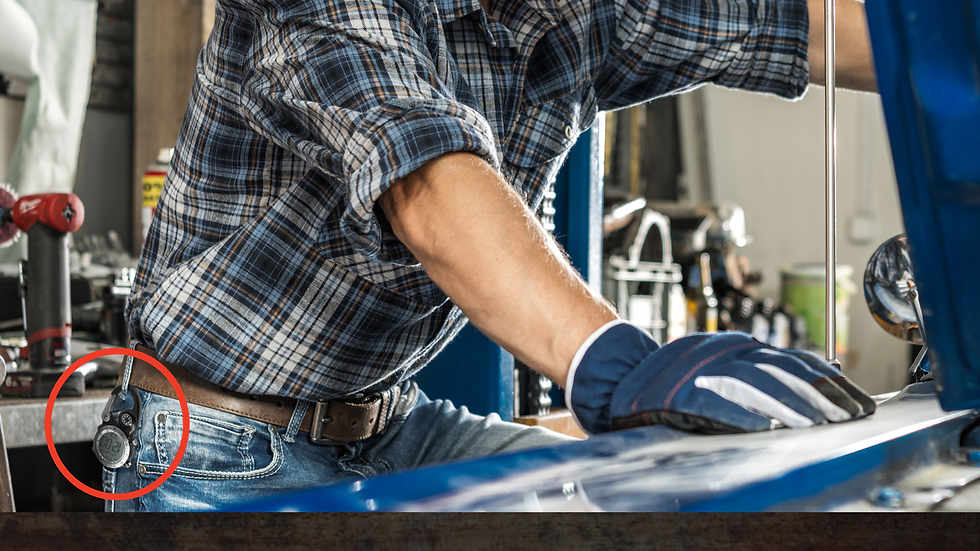
Selecting a timepiece is rarely only about telling time. A watch shows utility, reflects personal style, and accompanies your daily adventures. Whether scaling a mountain, scrubbing in for surgery, or heading to the office, your watch must keep up.
Dakota Watch Company is known for versatility. Unlike brands focused only on luxury or digital fitness, Dakota blends rugged functionality with everyday practicality. With so many models—clip watches to classic wristwear—it can be hard to pick the right one.
This Dakota watch buying guide breaks down the different categories, styles, and features available. By matching watches to lifestyle needs, you can find the timepiece that doesn't just sit on your wrist (or belt loop), but actually enhances your day.
Defining Your Primary Use Case
To choose the right watch, you must first analyze your daily routine. A watch that excels on a fishing trip might feel cumbersome at a desk job. Conversely, a sleek dress watch won't survive a week at a construction site.
The Outdoor Adventurer
If your weekends are filled with hiking trails, campsites, or fishing boats, you need a watch for outdoor use. Durability is your primary metric. You aren't looking for gold plating; you are looking for impact resistance and weatherproofing.
For the outdoor enthusiast, the classic Dakota clip watch is often the superior choice. When you are wearing heavy gloves, carrying a backpack, or managing climbing gear, a wristwatch can get snagged or become uncomfortable. A clip watch attached to a belt loop or pack strap offers freedom of movement.
Look for models featuring:
Integrated Carabiners: For secure attachment to gear.
Compass: Integrated tools for navigation.
High Visibility: Luminescent hands or dials (like Dakota’s Moonglow technology) are essential for low-light conditions.
The Healthcare and Trade Professional
Nurses, doctors, EMTs, electricians, and construction workers often share a common problem: wristwatches get in the way. For healthcare workers, frequent hand washing and sanitation protocols make wristwatches unhygienic or impractical. For trade workers, the risk of smashing a crystal against machinery is high.
This is where multi-use watches shine. A scrub watch or a heavy-duty clip watch allows you to keep time—vital for checking vitals or tracking billable hours—without the restriction of a wristband. When looking for the best Dakota watch for these professions, prioritize easy-to-read dials (for taking a pulse) and silicone or plastic casings that are easy to clean.
The Everyday Carrier (EDC)
For the generalist who wants a reliable watch for everyday carry, the focus shifts to a balance of form and function. You might want something that looks good with jeans but can handle a sudden rainstorm.
Here, the Dakota watch styles expand into wristwatches with leather or nylon bands. The "field watch" aesthetic is popular here—rugged enough not look precious, but classic enough to wear to dinner.
The Great Debate: Clip Watch vs. Wristwatch
One of the most distinct decisions you will make is the form factor. Dakota is famous for popularizing the clip watch, but they produce excellent wristwatches as well. Here is a quick Dakota watch comparison to help you decide.
The Case for the Clip Watch
The clip watch is the ultimate utility tool. It removes the constriction from your arm, which is ideal during hot weather when sweat builds up under a band.
Pros: Hands-free comfort, less likely to get scratched against walls/doorframes, often includes extra tools (lights, knives, compasses).
Cons: Requires a belt loop or bag to attach to; typically not suitable for formal dress codes.
Best for: Hikers, golfers, nurses, landscapers, and anyone who dislikes the feeling of jewelry.
The Case for the Wristwatch
The wristwatch is the traditional choice for a reason. It offers immediate information with a flick of the wrist.
Pros: Instant accessibility, classic style, professional appearance.
Cons: Can be uncomfortable during high activity; susceptible to damage during manual labor.
Best for: Office workers, students, and a general lifestyle-based watch choice.
Key Features to Consider
Once you have determined your style (clip or wrist), you need to look at the specs. Understanding these features will ensure you get the perfect Dakota watch for me.
Water Resistance
Not all water resistance is created equal. If you need a watch for active lifestyle use, pay attention to the ATM (atmosphere) rating.
3 ATM (30 meters): Splash resistant. Good for washing hands or rain, but don't swim with it.
5 ATM (50 meters): Suitable for swimming in shallow water, but not diving.
10 ATM (100 meters): Good for snorkeling and swimming.
Materials
The longevity of your watch depends on what it is made of.
Aluminum: Lightweight and strong. Often found in the clip watch series. It comes in various colors, allowing for a personal style watch guide approach to your gear.
Stainless Steel: Heavier, but incredibly durable and resistant to corrosion.
Plastic/Resin: The most lightweight option, often used in sportier or more affordable models. It is impact-resistant but can look less "premium" than metal.
Functionality Extras
Dakota watches often come packed with "microlights" (small LED lights). This is a game-changer for finding keyholes in the dark or looking for items in a tent. If you are looking for a watch for everyday carry, an integrated light is a feature you will use more than you expect.
Maintenance and Longevity
Part of choosing the right watch is knowing how much maintenance you are willing to put in. Dakota watches generally run on quartz movements. This means they are battery-powered, highly accurate, and require very little attention compared to mechanical watches.
However, consider the band material if you choose a wristwatch. Leather looks sophisticated but degrades with water and sweat. Nylon (NATO style) straps are breathable and washable, making them better for active users. Silicone is waterproof and easy to clean, making it the top choice for high-intensity activities or messy jobs.
Making Your Final Decision
Ultimately, the goal is to find a timepiece that feels like a natural extension of your day.
If you spend your days in a harness, on a boat, or in scrubs, a digital or analog clip watch is likely your best bet. It offers utility that a wristwatch simply cannot match. If you split your time between the office and the weekend BBQ, a field-style wristwatch with a durable nylon strap offers the best of both worlds.
Don't overcomplicate the process. Look at what your hands are doing all day. If they are busy, dirty, or moving fast, get the watch off your wrist and onto your belt. If you need quick glances in meetings, stick to the wrist. By following this Dakota watch buying guide, you will ensure your next timepiece is one that lasts.



Comments