

How to Choose the Right Watch for Your Profession
- isilvano3
- Nov 14, 2025
- 7 min read
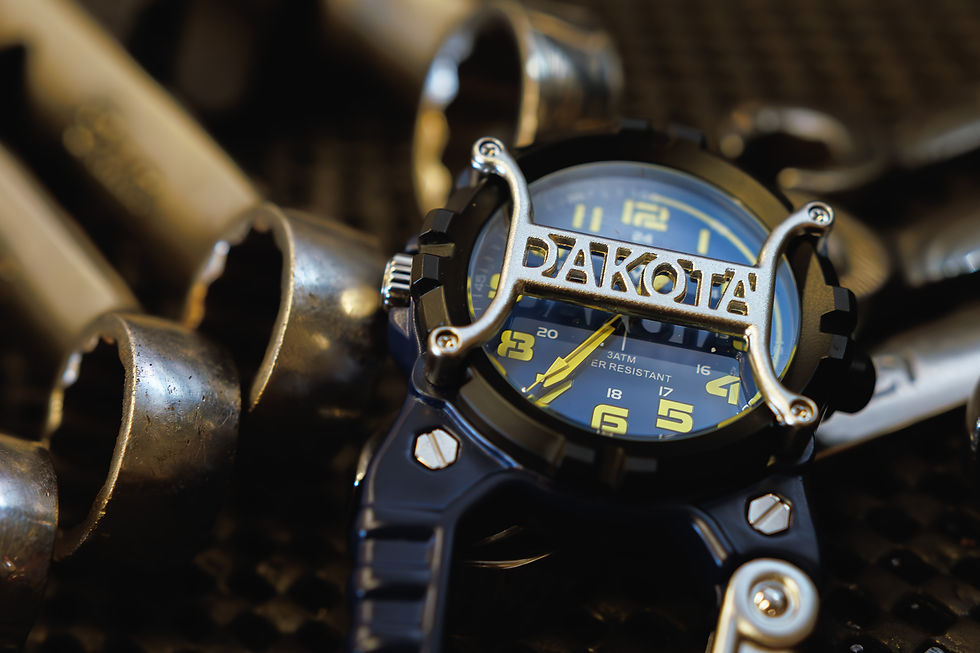
Your watch says more about you than you might think. It's not just a tool for telling time—it's a statement about your professionalism, attention to detail, and understanding of your work environment.
Choosing the right watch for your profession involves striking a balance between style, function, and durability. A surgeon needs something different from a construction worker. A lawyer's timepiece serves a different purpose than a chef's. Getting this balance wrong can mean dealing with scratches, water damage, or simply looking out of place in your workplace.
This guide walks you through the process of selecting a work-appropriate watch tailored to your specific career needs. Whether you're in healthcare, law enforcement, hospitality, or the boardroom, you'll learn what features matter most and which styles complement your professional image.
Understanding Your Work Environment
Before selecting a watch, assess the physical demands and expectations of your profession to ensure a suitable choice. This foundation determines which features are essential and which are optional.
Physical Demands
Some careers expose watches to constant wear and tear. Construction workers, mechanics, and outdoor professionals require timepieces that can withstand impacts, dust, and harsh conditions. Look for watches with scratch-resistant sapphire crystal, reinforced cases, and shock protection.
Medical professionals and laboratory workers require watches that can withstand frequent hand washing and sanitizing. Waterproof watches with smooth surfaces and minimal crevices prevent bacteria buildup and simplify cleaning routines.
Office workers and business professionals have more flexibility. Their watches face minimal physical stress, allowing them to prioritize aesthetics and sophistication over extreme durability.
Dress Code Considerations
Your workplace dress code dictates what is considered appropriate. Corporate environments that require formal attire call for classic dress watches—characterized by thin profiles, leather straps, and minimal complications. These professional timepieces blend seamlessly with suits and business attire.
Business casual settings offer more freedom. You can experiment with sportier designs, metal bracelets, or watches featuring additional functions, such as chronographs. The key is maintaining a polished appearance without being overly formal.
Uniforms and specialized workwear often pair best with functional work watches that prioritize utility. Field watches with high visibility, tactical watches with multiple functions, or durable sports watches all fit this category.
Best Watches for Different Professions
Different careers demand different features. Here's what to look for based on your field.
Healthcare Professionals
Medical professionals need watches that are hygienic, readable, and functional. The best watches for medical professionals feature:
Water resistance: At least 50 meters to handle constant handwashing
Easy-to-clean materials: Smooth metal or silicone straps without fabric that harbors bacteria
Second hand: Essential for taking pulse readings
Readable dial: Clear numerals and high contrast for quick time checks
Nurses often prefer watches with silicone bands that won't tear gloves during removal. Doctors in clinical settings tend to favor simple designs that minimize complications, as these can interfere with examinations.
First Responders and Law Enforcement
Field watches for first responders must be rugged, reliable, and functional under pressure. Tactical watches for law enforcement officers typically include:
High durability: Military-grade construction that handles impacts
Night visibility: Luminous markers or tritium illumination
Multiple time zones: Useful for coordination across regions
Timing functions: Chronographs for precise measurements
Many officers opt for watches equipped with countdown timers, barometric pressure sensors, or GPS capabilities. The key is finding features that genuinely support your duties without unnecessary complications.
Construction and Trade Workers
Watches for construction workers face extreme conditions. These durable watches for work need to survive drops, vibrations, chemicals, and weather exposure. Essential features include:
Shock resistance: G-Shock level protection against impacts
Dust and water protection: IP68 rating minimum
Strong crystal: Sapphire or hardened mineral glass
Secure strap: Metal bracelet or reinforced rubber that won't snap
Digital displays often work better than analog faces in these environments. They're easier to read quickly and typically more shock-resistant.
Corporate and Office Professionals
Business professionals need career-specific watches that project competence and attention to detail. Stylish office watches should be:
Appropriately sized: 38-42mm for most wrists; avoid oversized sports watches
Classic design: Clean dials without excessive complications
Quality materials: Stainless steel, gold, or titanium cases with leather or metal bands
Subtle branding: Understated logos that don't scream for attention
A dress watch with a white or silver dial, a leather strap, and a simple three-hand movement is suitable for virtually any professional setting. Save the diving bezels and bright colors for weekends.
Hospitality and Culinary Professionals
Chefs and restaurant staff require waterproof watches that can withstand heat, moisture, and frequent washing. Key features include:
Heat resistance: Cases that won't burn skin in hot environments
Water resistance: Minimum 100 meters for constant exposure to liquids
Durable strap: Rubber or silicone that withstands frequent cleaning
Minimal design: Fewer crevices means less food particle buildup
Many culinary professionals opt for simple digital watches with timers to track cooking times. The simpler the design, the easier it is to maintain hygiene standards.
Key Features to Consider
Beyond profession-specific needs, certain features enhance the utility and longevity of any work watch.
Durability and Materials
The case material affects both appearance and durability. Stainless steel offers excellent scratch resistance and a professional look. Titanium provides similar durability at a lighter weight, though at a higher cost. Ceramic cases resist scratches exceptionally well but can shatter under extreme impact.
Crystal quality matters more than many realize. Sapphire crystal resists scratches better than mineral glass or acrylic. While more expensive, it keeps your watch looking new longer. Hardened mineral glass offers a middle ground between cost and durability.
Water Resistance
Don't confuse water-resistant ratings with actual capabilities. A 30-meter rating means splash resistance only—not suitable for swimming. 50 meters handles handwashing and rain. One hundred meters allows swimming, 200 meters or higher suits diving and water sports.
If your work involves regular water exposure, don't settle for minimal resistance. The gaskets that seal a watch degrade over time, reducing protection. Build in a safety margin.
Readability and Functionality
Your watch should be easy to read at a glance. The high contrast between the dial and hands enhances visibility. Luminous markers help in low-light conditions.
Consider which complications actually serve your work. A date window is universally applicable. A chronograph helps anyone who needs to time activities. Multiple time zones benefit those who coordinate across regions. But complications you don't use add visual clutter and potential failure points.
Comfort and Fit
You'll wear this watch for hours daily. Poor fit causes distraction and discomfort. The watch should sit snugly without pinching. You should be able to fit one finger between the strap and your wrist.
Lighter materials reduce fatigue during long shifts. If your work involves computer use, ensure the case doesn't catch on keyboards or other surfaces, such as desks. Smooth case backs prevent skin irritation during extended wear.
Balancing Style and Function
The best career-specific watch strikes a balance between professional appearance and practical utility.
When to Prioritize Function
Function takes priority in physically demanding professions. A scratched bezel on a construction worker's watch tells a story of hard work. An overly precious timepiece looks out of place and won't survive the environment.
Jobs involving safety or precise timing also demand function-first thinking. First responders, pilots, and medical professionals should never sacrifice utility for aesthetics.
When Style Matters More
Client-facing professionals in corporate environments should prioritize appearance alongside basic functionality. Your watch contributes to making a good first impression and establishing credibility.
Lawyers, consultants, and executives benefit from choosing watches that signal attention to detail and professional success. This doesn't require spending a fortune, but it does mean selecting classic designs over purely utilitarian options.
Finding the Middle Ground
Many professions allow for a balance between style and function. Business casual environments, creative industries, and management positions offer flexibility to express personality while maintaining professionalism.
Look for watches that offer subtle personality through dial colors, interesting case finishing, or unique strap options while maintaining appropriate proportions and designs. A blue dial dress watch or a pilot's watch with a leather strap can bridge the gap between boardroom and casual Friday.
Common Mistakes to Avoid
Even with good intentions, professionals often make predictable errors when choosing work watches.
Oversized Sports Watches in Formal Settings
A 46mm dive watch might look impressive, but it appears out of place under a dress shirt. Oversized watches for business casual settings draw attention away from your professional presence. Save large sports watches for appropriate contexts.
Neglecting Maintenance Requirements
Mechanical watches require regular servicing every 3 to 5 years. Factor this cost and inconvenience into your decision. If you can't commit to regular maintenance, consider quartz movements that require only battery replacements.
Ignoring Strap Versatility
Many professionals purchase watches without considering the option of strap changes. A single watch with interchangeable straps serves multiple professional contexts—a metal bracelet for formal meetings, a leather strap for business casual, and a NATO strap for field work.
Choosing Fashion Over Quality
Fashion brands often produce watches that look impressive but lack durability. They prioritize aesthetics over movement quality and materials. For a professional timepiece guide, focus on watch brands known for quality rather than fashion houses dabbling in timepieces.
Making Your Final Decision
With this framework, you're now ready to select a watch that suits your career.
Begin by listing the physical demands and dress code requirements of your profession. Identify which features are essential versus those that are nice to have. Set a realistic budget that accounts for quality without overspending on unnecessary complications or prestige.
Research specific models that fit your criteria. Read reviews from others in your profession. Visit stores to try watches on—photos rarely capture how a watch actually looks and feels on your wrist.
Remember that the best watches for professionals aren't always the most expensive or complicated. They're the ones that reliably serve your needs while complementing your professional image. A well-chosen timepiece becomes a trusted companion throughout your career, marking milestones and enduring alongside you.
Choose wisely, and your watch will do more than tell time—it will tell your professional story.



Comments